
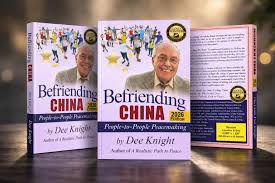
Befriending China: How Global Power Modern Imperialism and Social Movements Shape Today’s World
In today’s rapidly shifting geopolitical landscape, the idea of Befriending China is no longer just a diplomatic talking point—it has become a strategic necessity for many nations. As global power structures evolve, understanding how relationships with China intersect with modern day imperialism, economic influence and current social movements is essential to making sense of the world we live in.
This discussion is not just about politics at the highest level. It connects deeply with how imperialism shapes modern wars, influences trade systems, and even impacts social movements in the US today. To truly understand this dynamic, we need to explore the layers beneath global alliances and tensions.
Understanding China’s Role in the Era of Modern Imperialism
The concept of modern imperialism has shifted from territorial conquest to economic dominance, technological expansion, and strategic partnerships. Unlike traditional empires, today’s power structures operate through influence rather than occupation.
China’s global initiatives, particularly the Belt and Road Initiative (BRI), are often cited among the most significant examples of modern imperialism. Through infrastructure investments and economic agreements, China has extended its reach across Asia, Africa, and parts of Europe.
These developments are frequently discussed as present day imperialism, where influence is exerted through debt diplomacy, trade dependencies, and digital infrastructure rather than military force. While some nations benefit from development and investment, others worry about long-term sovereignty.
This raises an important question: is befriending China a strategic partnership—or a subtle entry point into imperialism today?
How Imperialism Shapes Modern Wars
To understand current conflicts, we must recognize how imperialism shapes modern wars. Today’s wars are rarely fought solely over land; they are driven by access to resources, trade routes, and geopolitical influence.
China’s rise has altered global power balances, particularly with the United States. This tension influences conflicts indirectly, from the South China Sea disputes to economic rivalries that affect global markets.
These tensions are also reflected in proxy conflicts, trade wars, and sanctions—modern tools of imperial competition. In many ways, these are examples of imperialism today, where power is asserted without traditional warfare.
The result is a complex web of alliances and rivalries where countries must carefully decide whether to align, resist, or remain neutral.
Befriending China: Strategic Opportunity or Risk?
For many countries, especially developing economies, befriending China offers tangible benefits—investment, infrastructure, and access to global markets. However, these opportunities come with trade-offs.
Critics argue that such partnerships can create dependency, reinforcing patterns seen in imperialism examples today. Supporters, on the other hand, see China as a counterbalance to Western dominance, offering an alternative global order.
This duality makes the topic highly nuanced. It is not simply about choosing sides but understanding how these relationships shape sovereignty, economic independence, and political stability.
The Connection Between Global Politics and Social Movements
Global power shifts do not exist in isolation—they directly influence people on the ground. This is where current social movements come into play.
In the United States, debates around globalization, trade, and foreign policy have fueled social movements in the US today. From anti-globalization protests to movements advocating for fair trade and labor rights, citizens are increasingly aware of how international relations impact domestic life.
Many current social movements in America challenge the consequences of global economic systems, including those linked to China. These movements often address issues such as job outsourcing, environmental concerns, and corporate accountability.
In this context, current social movement trends reflect a growing demand for transparency and ethical governance in global partnerships.
Examples of Modern Imperialism in Today’s World
To better understand the concept, it’s useful to look at real-world examples of imperialism today:
Countries receiving large-scale infrastructure investments that lead to long-term debt obligations illustrate one aspect of modern day imperialism examples. Similarly, the control of digital ecosystems and supply chains reflects another layer of influence.
Trade agreements that disproportionately benefit stronger economies can also be seen as examples of modern imperialism, especially when they limit the autonomy of smaller nations.
These patterns highlight how present day imperialism operates subtly but powerfully in shaping global dynamics.
My Whirlwind Lives: The Human Side of Global Change
While geopolitics often feels distant, its effects are deeply personal. The phrase My Whirlwind Lives captures how individuals today navigate a world shaped by rapid change, global interconnection, and shifting power structures.
People are experiencing multiple realities at once—economic uncertainty, cultural exchange, and political awareness—all influenced by global forces like China’s rise and ongoing imperial dynamics.
From workers affected by trade policies to activists involved in current social movements, individuals are at the center of these transformations.
The Future of Global Relations and Power
Looking ahead, the question is not whether China will play a central role in global affairs—it already does. The real question is how countries and societies will respond.
Will the world move toward cooperation, where befriending China leads to mutual growth? Or will tensions escalate, reinforcing patterns of modern imperialism and conflict?
At the same time, current social movements in America and beyond will continue to push for accountability, fairness, and sustainability in global systems.
Conclusion
Befriending China is not a simple diplomatic choice—it is a decision embedded in a larger system shaped by modern day imperialism, economic interdependence, and evolving global power structures.
Understanding how imperialism shapes modern wars, recognizing examples of imperialism today, and paying attention to current social movements are all essential for navigating this complex landscape.
As the world continues to change, one thing remains clear: global relationships are no longer just about governments—they are about people, power, and the future we are collectively shaping.
Designed by 4jsdesigns.com
